Technology In The Automotive Industry
The automotive industry has undergone significant transformations in recent years, driven by technological advancements and shifting consumer preferences. From electric vehicles to autonomous driving, technology is playing an increasingly important role in shaping the future of transportation.
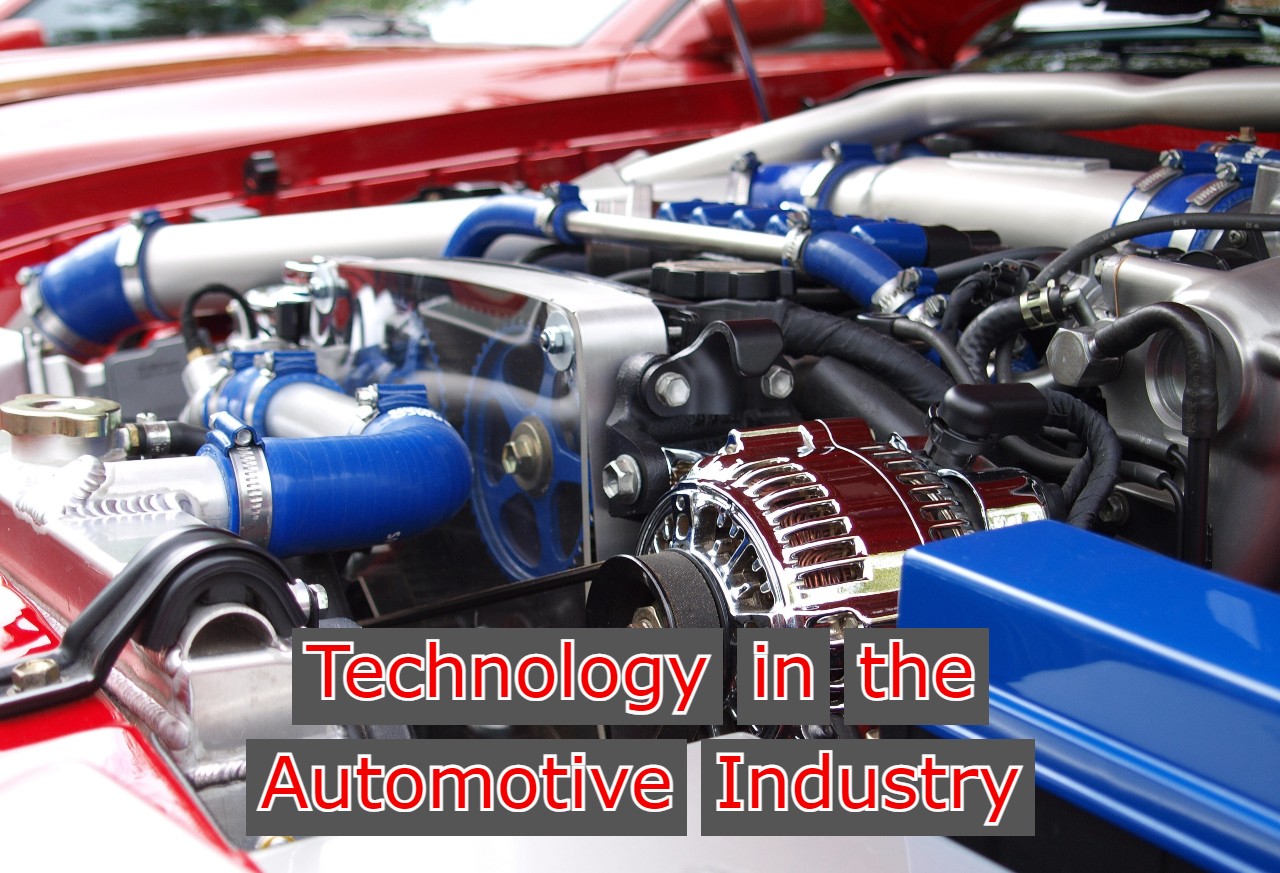
Some of the key technological advancements transforming the automotive industry include:
- Electric vehicles: As governments implement stricter emissions regulations, electric vehicles are becoming more popular, with many automakers investing heavily in EV technology.
- Autonomous driving: With the help of advanced sensors and AI algorithms, autonomous vehicles are becoming increasingly capable, promising to revolutionize the way we travel.
- Connected cars: The integration of IoT technologies is enabling connected cars that can communicate with other vehicles, infrastructure, and even pedestrians, creating a safer and more efficient driving experience.
The impact of technology on the automotive industry extends beyond just products; it also involves changing consumer behavior and business models. For instance, the rise of online services and subscription-based models is transforming the way automakers deliver cars to customers, with many offering maintenance, repair, and personalization services through digital platforms.
Future Trends
The future of technology in the automotive industry looks promising, with several emerging trends on the horizon:
- 5G connectivity: The adoption of 5G networks will enable faster data transfer rates, improved latency, and enhanced connectivity, transforming the way vehicles communicate with infrastructure and other vehicles.
- Artificial intelligence: AI is expected to play a significant role in autonomous driving, predictive maintenance, and personalized customer experiences.
- Sustainable materials: The automotive industry will focus on developing more sustainable materials and production processes, reducing waste and minimizing environmental impact.