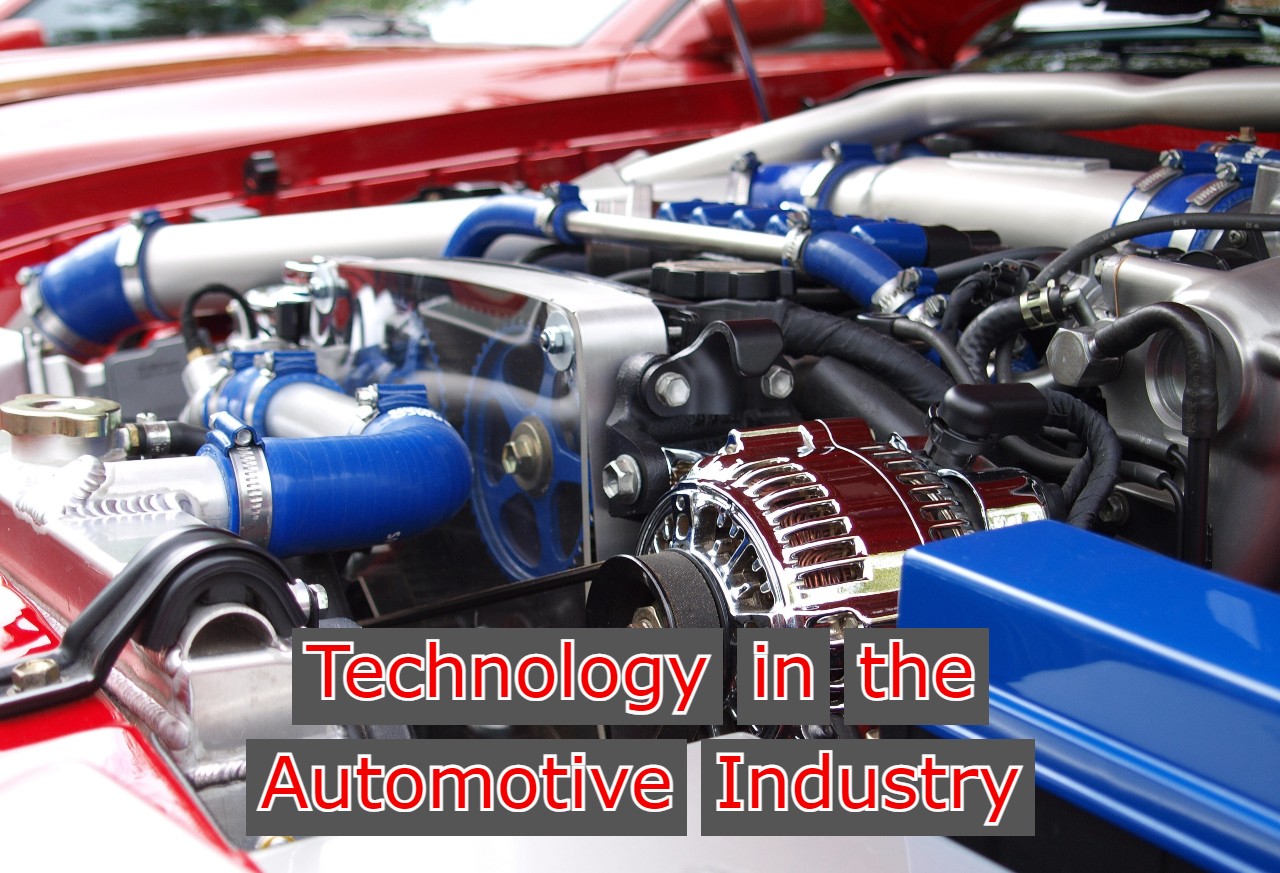
The automotive industry has been at the forefront of technological innovation for decades, with advancements in areas such as autonomous driving, electrification, and connected vehicles. As technology continues to play an increasingly important role in shaping the future of transportation, we'll explore some of the key trends and innovations that are transforming the industry.
Autonomous driving refers to the ability of a vehicle to operate without human intervention. This technology has been rapidly advancing in recent years, with major automakers such as Waymo and Tesla leading the charge. Autonomous vehicles are not only safer but also more fuel-efficient, reducing congestion on roads and alleviating traffic pressure.
Electric vehicles (EVs) have gained significant popularity in recent years, with many consumers opting for the environmentally friendly option. EVs produce zero tailpipe emissions, reducing greenhouse gas emissions and air pollution in urban areas. As technology improves, EVs are becoming increasingly affordable, making them an attractive choice for car buyers.
Connected vehicles refer to the integration of sensors, software, and data analytics into a vehicle. This technology enables vehicles to communicate with infrastructure, traffic management systems, and other vehicles on the road. Connected vehicles offer improved safety, reduced maintenance costs, and enhanced driver experiences.
In conclusion, the automotive industry is at a critical juncture where technology is transforming the way we travel. As new innovations emerge, it's essential for automakers to prioritize sustainability, safety, and user experience. By staying ahead of the curve, manufacturers can establish themselves as leaders in the rapidly evolving tech landscape.
https://www.nogentech.org/wp-content/uploads/2021/10/Technology-in-the-Automotive-Industry.jpg